


Anti-NMDAR Autoimmune Encephalitis – Emily’s story
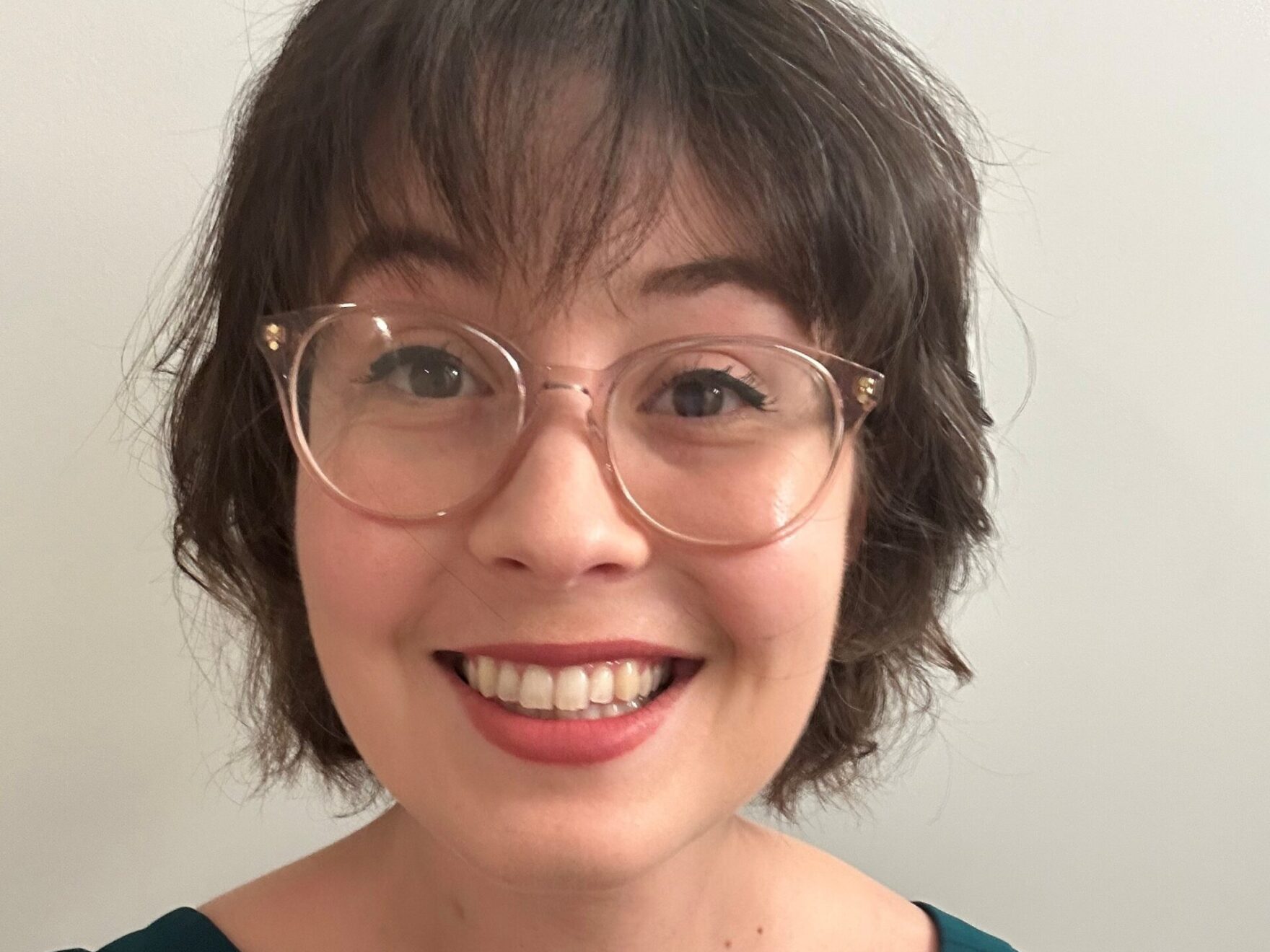
My story with anti-NMDAR encephalitis begins in the summer of 2024. I had been fortunate enough to travel with my mom and my sister to visit family in England, when I started coming down with flu-like symptoms.
At first, I thought very little of it. The constant go-go-go pace and lack of sleep combined with recycled air from many a plane ride seemed to be the perfect recipe for the flu. Add on that I was also getting my period, which for years came with the unpleasant side-effect of severe migraines. Upon returning home, I anticipated that once the jet lag subsided, I’d be back to normal.
Unfortunately, I couldn’t have been more wrong.
Days passed and my health continued to decline. Full body chills, light sensitivity, aches and a constant migraine would not ease up. Eventually I went to the local emergency room, where a doctor told me it was likely a very bad period. I was given an IV of medication and sent home. Though there was little sign of improvement, I had a major family event coming up quickly that I could not miss. My younger sister was getting married in October 2024, so I was scheduled to take a four-hour train ride to my hometown to celebrate her bridal shower with my family.
I honestly can’t say I remember much of the train ride or the celebration itself. There are moments I remember, such as showing the attendant my ticket, and plating canapes with my mom, and helping my sister unwrap gifts – but they cut in and out, leaving holes in my memories as if I had fast-forwarded through hours of my life. Unbeknownst to me, this was the onset of my anti-NMDAR encephalitis diagnosis.
Where things truly disappear are the evening of August 10th, 2024. According to my family, I had gone for a walk with my dad but complained my headache was making me feel ill so I was going to head back. Miraculously, I made it home and got up to my childhood bedroom. Then, I picked up my phone and started sending strange messages to my loved ones that made zero sense. Half sentences, full of spelling mistakes, where I claimed to suddenly be taking up a new religion, that my long-deceased grandfather knew the true meaning of life and that this was it.
Terrified, my family rushed me to the local hospital, while my husband – four hours away, got in his car and immediately began driving. I am told that my disorientation would come and go in bursts, sometimes having no clue where I was, yet other times I could recite where I had gotten my Masters degree from (dissertation topic included). This was the beginning of a harrowing six month battle with anti-NMDAR encephalitis. I received treatments in three different hospitals, including in ICUs and neurology wards, before finally coming home to receive both in and out patient rehabilitation support. Spinal taps, surgery to remove the ovarian teratoma causing the anti-NMDAR attacks, blood transfusions, intubation, and a cocktail of medications ultimately saved my life.
I am now just over a year into my discharge from anti-NMDAR encephalitis. Living in the “after” of such a life changing diagnosis continues to reshape how I engage in the world. I am eternally grateful to my loved ones who supported me and to those who supported my loved ones during such a difficult period. I also recognize how immensely privileged I have been in many ways. Thanks to health care coverage, I did not find myself in medical debt or unable to access services because of cost. I had an understanding employer who helped me transition back to the workforce smoothly and with great patience. I am in a place where I can openly share my story without crying thanks to psychology services. Life has continued, and for that I am grateful.
To other anti-NMDAR encephalitis survivors, I hope you find moments of gratitude too. I also hope you give yourself the grace to know it is okay to be angry, terrified, resentful, unsure, shaken, and every other emotion there is. This disease fundamentally destabilizes so many of us, turning our worlds upside down. If it has been a fight for you to come to terms with what you survived, I see that and I hold you in my heart.
Tomorrow I will wake up, take my medications, complain about the weather, drink a warm tea, and think about how anti-NMDAR encephalitis affected me. As I will the day after that, and likely for many days and years to come. Experiencing a traumatic brain injury like anti-NMDAR encephalitis physically, emotionally and psychologically altered me, but I’ve learned that carrying the memories does not have to always be painful.
Story published April 2026
If you would like to share your encephalitis story please visit the submit your story form.
Get help
Our support team are available from 9am to 5pm (GMT), Monday to Thursday, and 9am to 4.30pm (GMT) on Fridays.
To get in touch, simply call +44(0)1653 699599.
Contact our helpline