

Chicago, Conversations, and the Power of Connection
Chicago, Conversations, and the Power of Connection
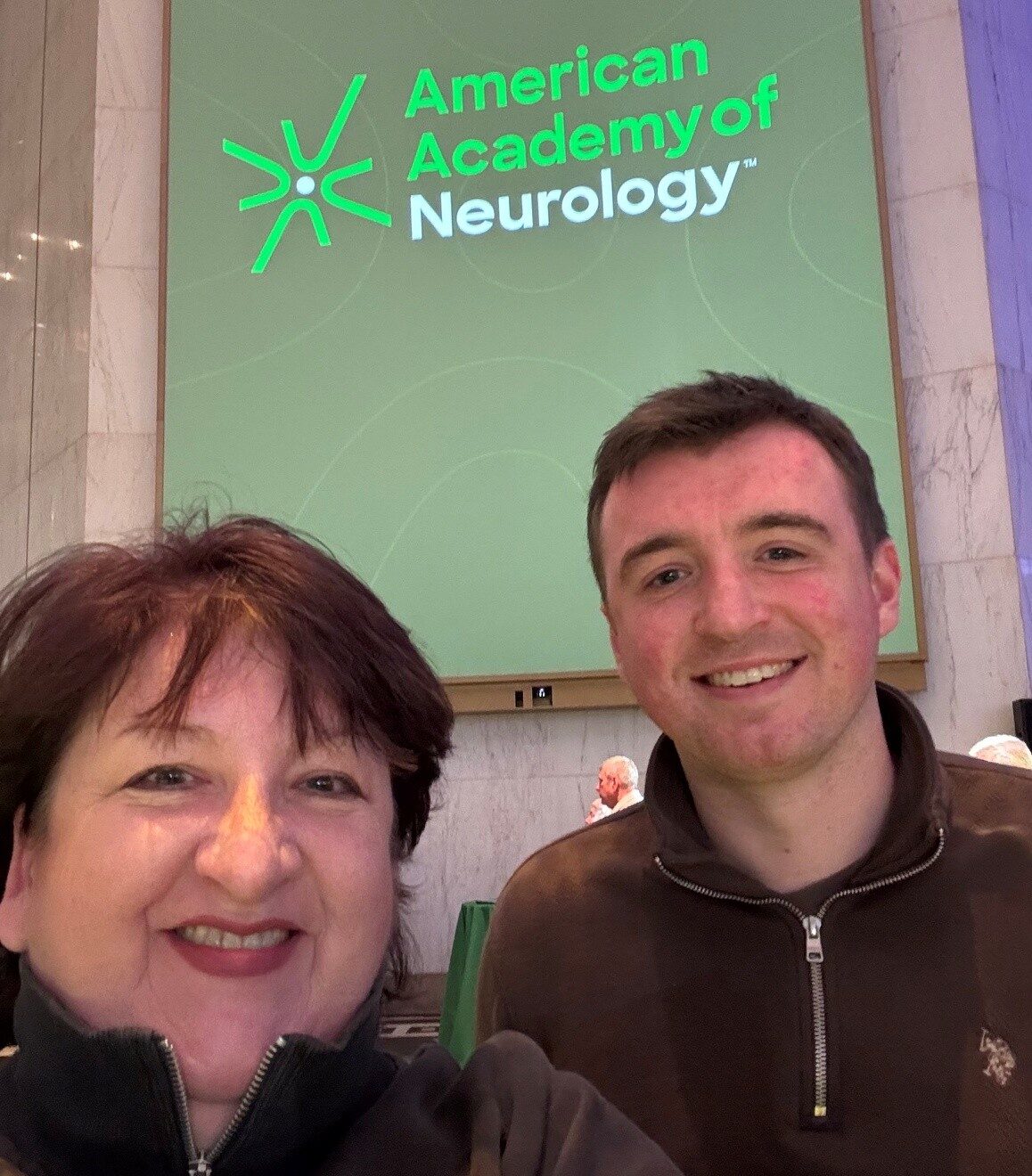
There is something about American Academy of Neurology Annual Meeting that feels both energising and grounding in equal measure. Perhaps it is the sheer scale of it – thousands of neurologists, researchers, clinicians, and industry partners gathered under one roof – or perhaps it is the quiet, shared understanding that every conversation here has the potential to change lives.
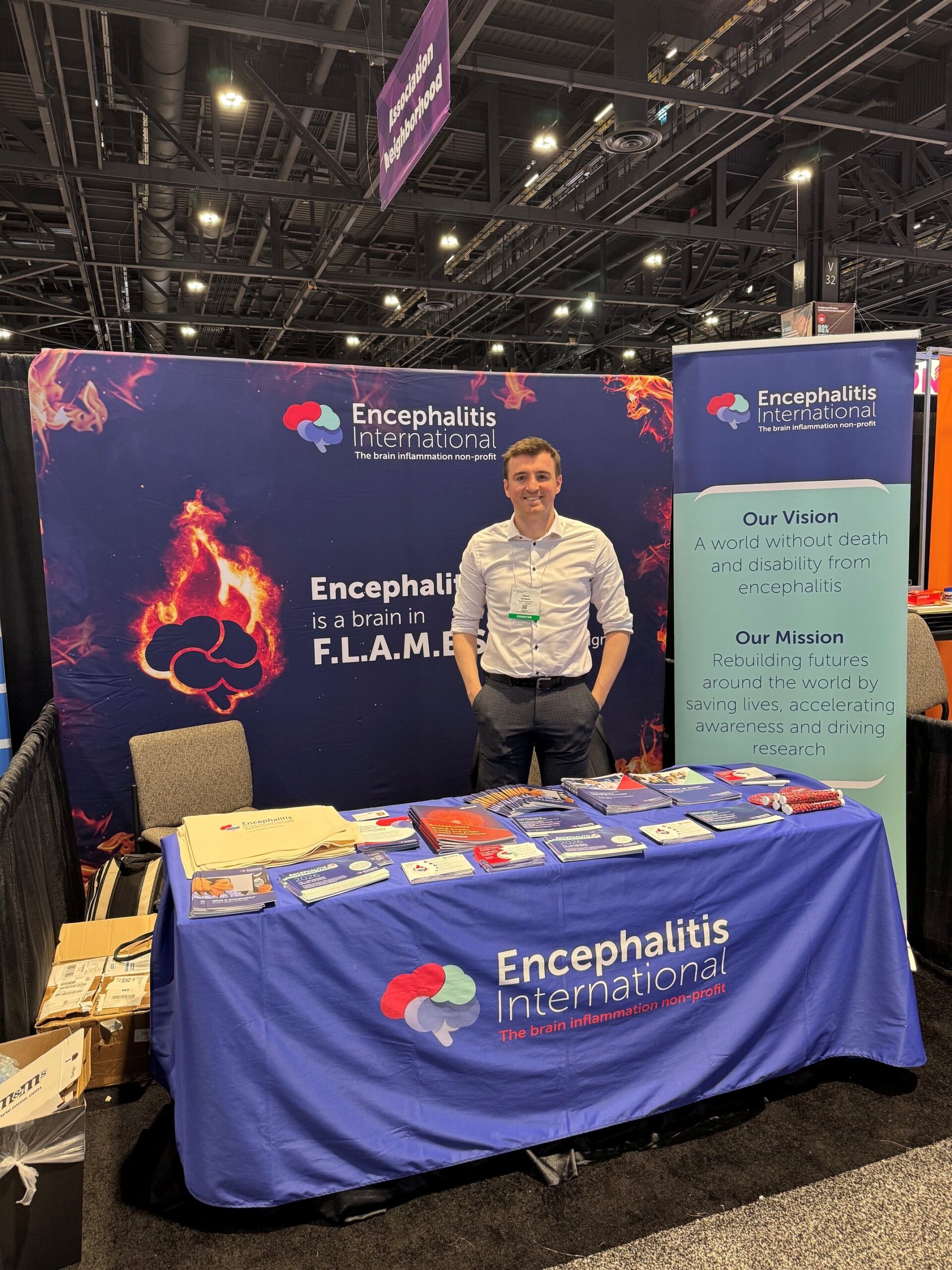
This year, I travelled to Chicago with my colleague Calum Goodwin, representing Encephalitis International. As always, our mission was simple but ambitious: to ensure that encephalitis is recognised, prioritised, and ultimately better understood, diagnosed, and treated across the world.
Our days have been full – the kind of full that leaves you exhausted but deeply satisfied. We have moved between lectures and sessions, absorbing the latest scientific thinking, clinical insights, and emerging research. The pace of progress in neurology is remarkable, and yet, as ever, it is clear that encephalitis still does not always receive the attention it demands. That is precisely why being here matters.
Beyond the lecture halls, much of the real work happens in the margins – in the conversations between sessions, the introductions over coffee, and the meetings that bring together people from very different parts of the system. We have spent time with pharmaceutical and diagnostic companies, exploring how innovation can better meet the needs of people affected by encephalitis. These discussions are not just about pipelines and products; they are about people – about faster diagnosis, more effective treatments, and ultimately better outcomes. They are also about how industry can support our work – its costs to do what we do and we are incredibly grateful to those that step-up and use their success to support Encephalitis International.
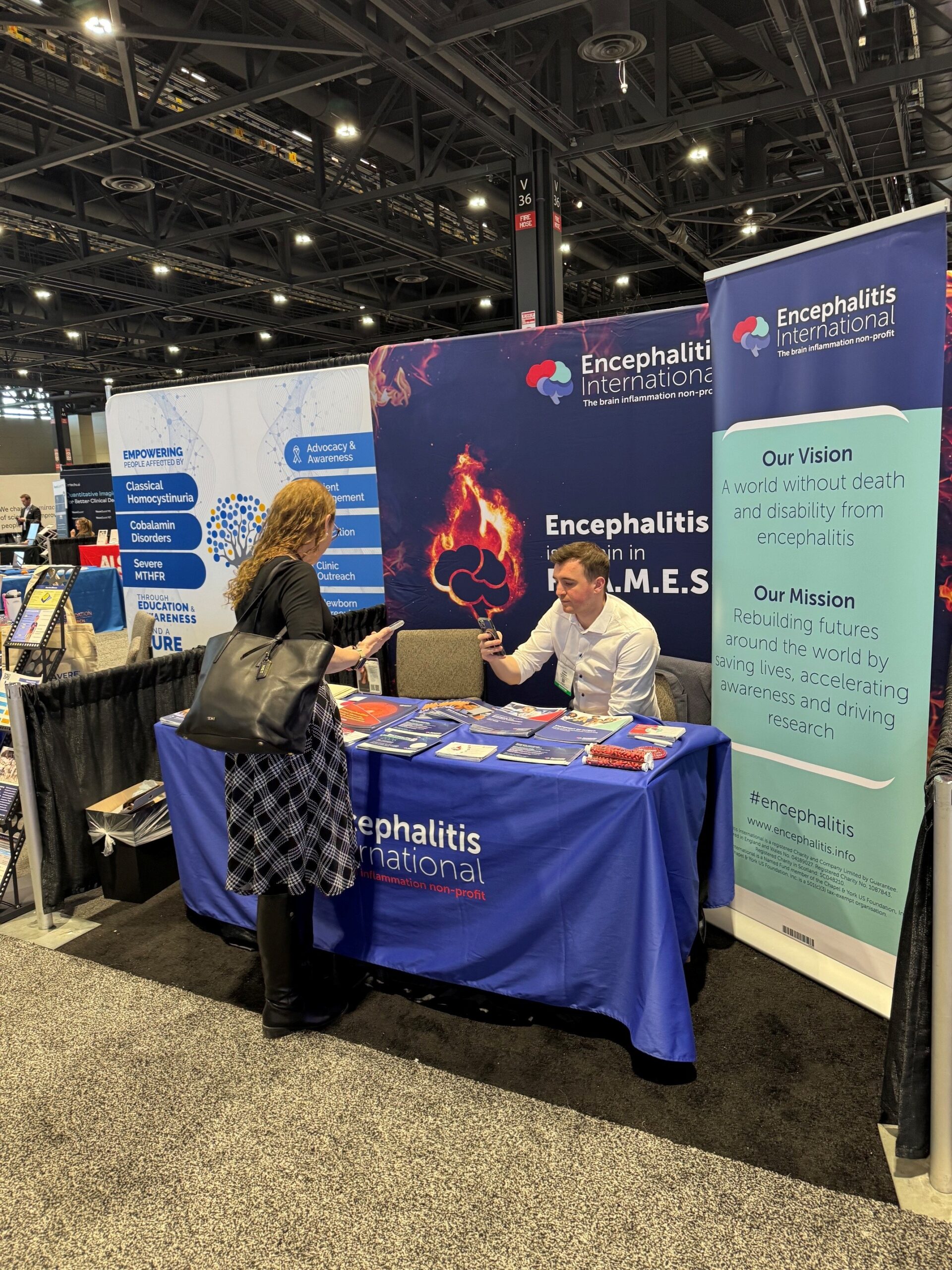
Equally important has been the opportunity to reconnect with many of the scientists, physicians, and researchers we work with across the globe. Some are long-standing collaborators, others are new connections, but all share a commitment to improving the lives of those affected by brain inflammation. These moments of connection matter. They remind us that while encephalitis may be complex and often under-recognised, there is a growing and determined community working to change that.
What has struck me most, once again, is the importance of bringing the patient and caregiver voice into these spaces. Conferences like this are rich in data, expertise, and innovation – but without lived experience at their heart, something vital is missing. At Encephalitis International, we continue to advocate for that voice to be heard, to be valued, and to shape the direction of research and care.
Of course, it is not all meetings and lecture halls. Chicago itself provides a backdrop that is hard to ignore – a city of striking architecture, vast lake views, and an energy that mirrors the intensity of the conference itself. Even brief moments stepping outside between sessions offered a chance to reflect, reset, and take in where we were and why we were here.
As we continued our time at the conference, one thing was clear: progress in encephalitis will not come from one discipline, one organisation, or one country alone. It will come from collaboration.
And that, ultimately, is why we come.