



LGi1 autoimmune encephalitis – Marion’s Story
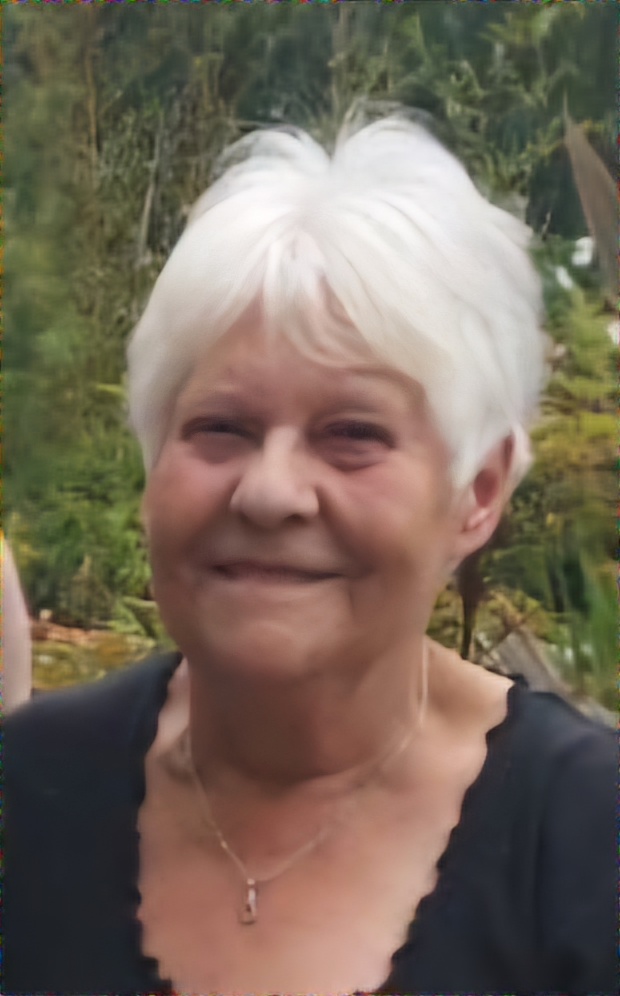
Our mum Marion was an independent, active and busy 82-year-old. Sadly, she passed away following seizures from LGi1 encephalitis.
Early symptoms
Over the weekend of the 15th to 16th July 2023 mum became unwell with flu-like symptoms.
By the Tuesday (18th) mum became very confused, disoriented and unwell.
First hospital admission
An ambulance was called and mum was admitted into hospital that day.
While in hospital mum’s symptoms didn’t improve and many times mum would ‘see and hear’ close deceased family members.
After tests were carried out and spending 10 days in hospital, mum was discharged on Friday (28th) with a diagnosis of an unknown infection as well as a suspected urinary tract infection and delirium.
Managing at home
For the next 5 weeks mum ‘managed’ at home with the daily help of family however mum’s condition did not improve and, as each day passed, became more concerning.
Our thoughts of diagnosis were some form of Dementia.
Mum would not remember details of a phone call or visit.
Would not know what day of the week it was.
Would not remember taking her medication.
Would not know who we were.
Would repeatedly open and stare at her TV magazine
Seizures begin
During this time, we also started to notice mum was displaying unusual body movements such as twitches, wobbles or shakes.
Sometimes only a split second, sometimes a few seconds. We later discovered that these were seizures.
Back to hospital
On Friday 1st September, after family had witnessed mum having a ‘wobble’ lifting a roasting tin out of a hot oven, we took mum to an emergency doctor’s appointment.
Whilst in the doctor’s surgery mum had another ‘wobble’ witnessed by the doctor and was referred back to the hospital for admission.
From 1st to 14th Sept mum was again in hospital, her behaviour by now was so unrecognisable.
The seizures (as we now know they were) were increasing in frequency and severity.
Mum’s confusion became worse.
Mum was only managing a few hours of sleep per night.
Mum would pack and unpack bags and drawers for hours at a time.
Mum was now increasing seeing, hearing and asking or talking about deceased family members who she believed were still alive.
We were also noticing unexplained bruises on her body.
The hospitals diagnosis for this was, once again, lasting and ongoing delirium.
Care at home and in a care home
On Friday 15th September, mum was discharged from hospital, by agreement, into 24/7 family care.
Over this weekend, mum’s behaviour again further deteriorated, and the family took the decision to place mum in a care home.
Now, two months after initial symptoms in July, on Monday 18th September mum was placed in a care home where one family member worked at as a care manager.
From this date until Saturday 21st October, mum’s seizures – which were now ranging from split seconds to more than a minute – were increasing to in excess of 20 a day. Her bruising also increased – later explained as resulting from both witnessed and unwitnessed falls.
Fall and injuries
On Saturday 21st October, having received a call from the care home advising mum had had a fall, she was taken by ambulance to hospital to be checked over.
There they found mum had several cracked ribs, a bleed on the brain and some internal injuries to her lung and liver.
Later that day, mum was transferred to another hospital and into the major trauma unit.
Diagnosis
On Monday 23rd October, mum was seen by a neurologist who requested bloods and an EEG.
Within 1 hour of this we were finally given a firm diagnosis.
Mum had LGi1 autoimmune encephalitis.
Treatment
Arrangements were made and mum was moved on Thursday 26th October to another hospital to have plasma exchange treatment (PLEX).
On Saturday 28th October, mum had her 1st treatment. However, due to agitation she was only able to take 1 of the 3 hours treatment.
Two days later, mum started her 2nd treatment.
Approximately 20 mins into this mum suffered a severe seizure where the emergency team were called to attend. Mum was then settled and sedated and her 2nd treatment was completed.
On Tuesday 31st October (mum’s birthday) she should have had her 3rd treatment.
On our arrival, we found mum asleep and was told mum was too unwell for her treatment.
End of life care
Following concerns of mum’s rapid health deterioration, a neurologist ordered scans and tests and we were told there was nothing more they could do for her.
Mum remained asleep, never woke again, and was put on end-of-life care.
Birthday cards left un-opened.
At approximately 11.40pm on Wednesday 1st November mum passed away with family at her bedside.
Mums cause of death – LGi1 encephalitis – Polytrauma from a seizure.
Missed diagnosis
From 18th July to 23rd October, we had no diagnosis so valuable time and treatment was missed and lost by the hospital in caring for mum.
After mums passing, we found out than an LGi1 blood test was requested during mum’s September hospital admission but never done or followed up.
This means a window of some 6 weeks were lost to mum receiving the right treatment which might have prevented her death.
What we hope for
For us, from mum’s tragic death we want and hope for:
More awareness and recognition of this illness.
Quicker and more testing of bloods specifically for encephalitis.
More EEGs on patients displaying neurological issues.
And for the families to be heard and most importantly listened to.
If you would like support as a result of bereavement please contact our helpline.
Story published July 2026
Get help
Our support team are available from 9am to 5pm (GMT), Monday to Thursday, and 9am to 4.30pm (GMT) on Fridays.
To get in touch, simply call +44(0)1653 699599.
Contact our helpline