
Acute Disseminated Encephalomyelitis (ADEM) Lived Experience – Ella’s Story
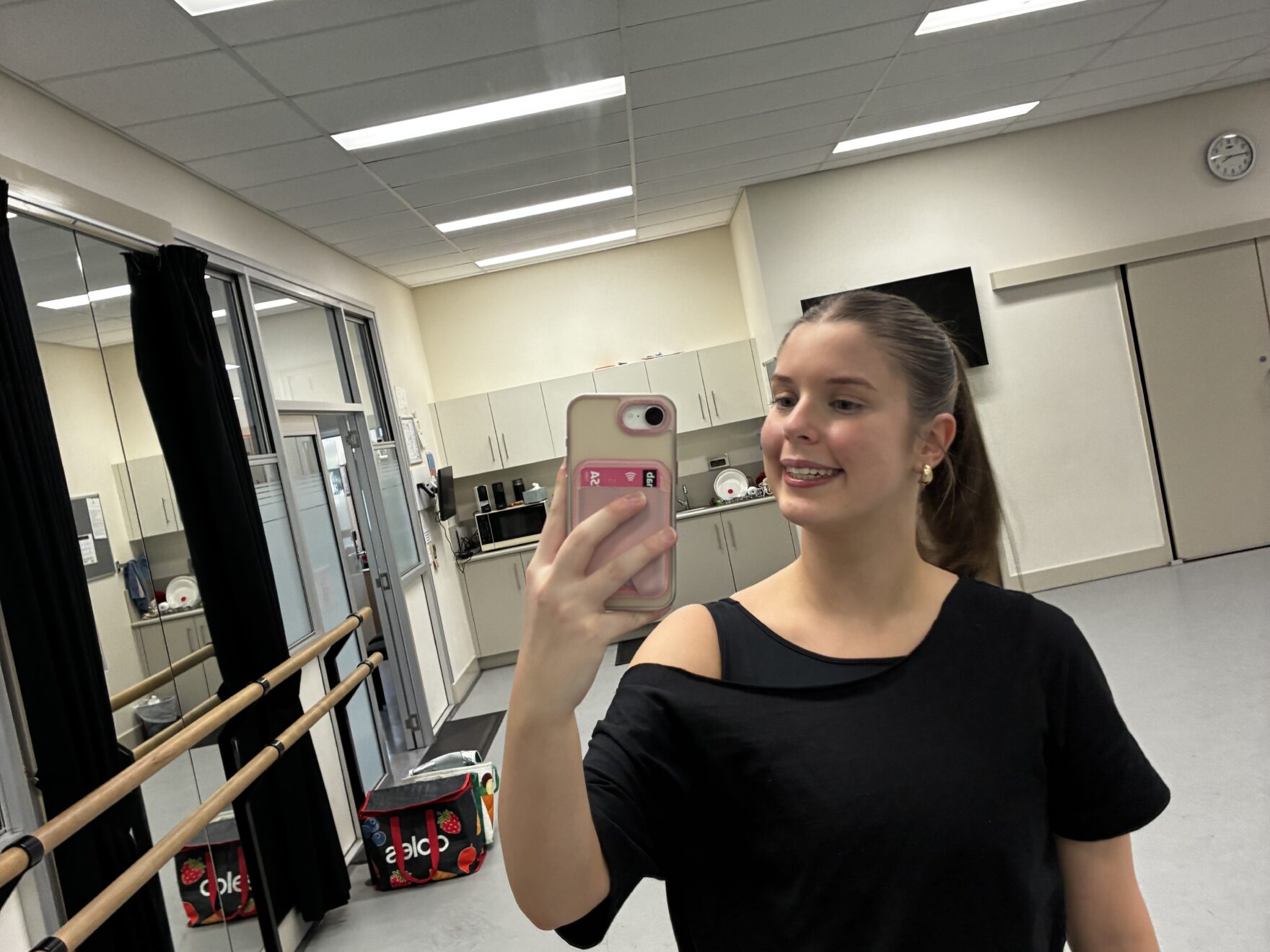
Ella Rose talks about her lived experience of Acute Disseminated Encephalomyelitis (ADEM) which she had when she was just 8 years old.
Hi, my name is Ella Rose, and I am a survivor of autoimmune encephalomyelitis (ADEM), encephalitis, and meningitis.
My story started when I was eight years old. I had just competed at a regional gymnastics competition in Western Australia and had won a gold medal. I was so proud and excited.
About a week later, I became very unwell. It started like a flu – I had a high fever, no energy, and just didn’t feel like myself. I remember becoming so sick that I was vomiting, including while we were out at the shops. My mum knew something wasn’t right and took me to the hospital.
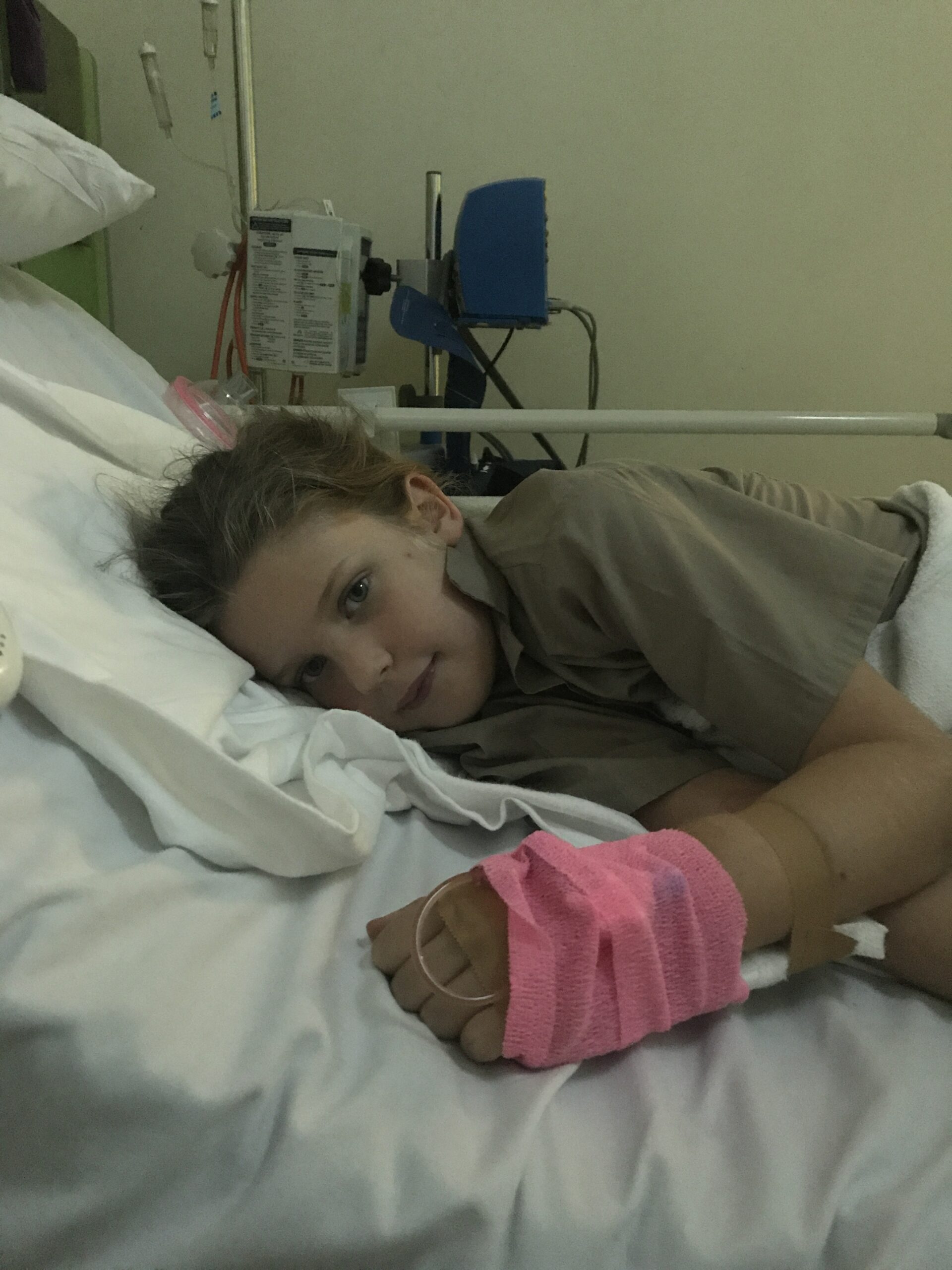
At first, doctors thought it was just a nasty virus and put me on a drip, but I kept getting worse. Eventually, I was diagnosed with meningitis and was flown by the Royal Flying Doctor Service from my small hometown to Perth, where I was admitted to the children’s hospital.
Over the next few weeks, I had countless tests – MRI scans, EEGs, blood tests, finger pricks, and lumbar punctures. I was terrified. I couldn’t do anything by myself. I couldn’t shower alone, I struggled to walk, and I spent much of my time in a wheelchair or attached to a drip machine. Being so young and suddenly losing my independence was incredibly frightening.
Eventually, doctors diagnosed me with encephalitis and ADEM, a rare condition that causes inflammation in the brain and spinal cord.
I was treated with steroids and spent a long time recovering. I was able to return home just before my ninth birthday, but my journey didn’t end when I left the hospital.
Encephalitis and ADEM changed my life forever.
One of the hardest things for me was returning to gymnastics. Before I became sick, gymnastics was a huge part of who I was. When I went back, I realised how much strength I had lost. Things that had once come naturally suddenly felt difficult or impossible. As a child, it was heartbreaking to feel like my body wasn’t the same anymore. I grieved the abilities I had lost and the version of myself that existed before I became unwell.
My MRI scans showed permanent scarring on my brain, also known as brain lesions. Knowing that there is permanent damage can be difficult to process, especially when people expect you to look “better” because you survived.
Over the years, I have developed severe obsessive compulsive disorder (OCD), which affects almost every part of my daily life. I also live with severe misophonia, where certain sounds can cause intense distress and anxiety. I experience tics and involuntary movements, and I deal with strange neurological symptoms and nerve pain that can be hard to explain to others.
I have also struggled with ongoing stomach problems and other physical symptoms that began after I became ill. Living with the long-term effects of a brain injury is something many people don’t see.
One of the hardest parts of encephalitis is that recovery doesn’t always have a clear ending. Sometimes the effects are invisible. People see me smiling and assume everything is okay, but every day I am learning how to live with the challenges that my brain injury left behind.
Having an acquired brain injury (ABI) at such a young age is a unique experience. When your brain changes during childhood, you don’t just have to recover physically – you have to grow up and discover who you are alongside your brain injury. I often wonder who I would have been if I had never become sick, but this experience has also shaped who I am today. Learning to accept the changes, grieve the losses, and find myself again has been one of the biggest challenges of my life.
There have been times when I have felt angry, sad, and confused about everything I have been through. But I have also learned that I am incredibly resilient.
Although my journey is far from over, I am grateful to be here. I am grateful for my family, the doctors who cared for me, and the people who continue to support me. Sharing my story is important to me because I want others affected by encephalitis, ADEM, meningitis, and acquired brain injury to know that they are not alone.
Surviving was only the beginning. Learning to live with the lasting effects has been the real journey.
Even though things have been challenging I wouldn’t change my brain for the world💞🎧
If you would like support with encephalitis, please do get in touch.
Story published February 2025 and updated July 2026
Get help
Our support team are available from 9am to 5pm (GMT), Monday to Thursday, and 9am to 4.30pm (GMT) on Fridays.
To get in touch, simply call +44(0)1653 699599.
Contact our helpline