



Acute Disseminated Encephalomyelitis (ADEM) – Beth’s Story
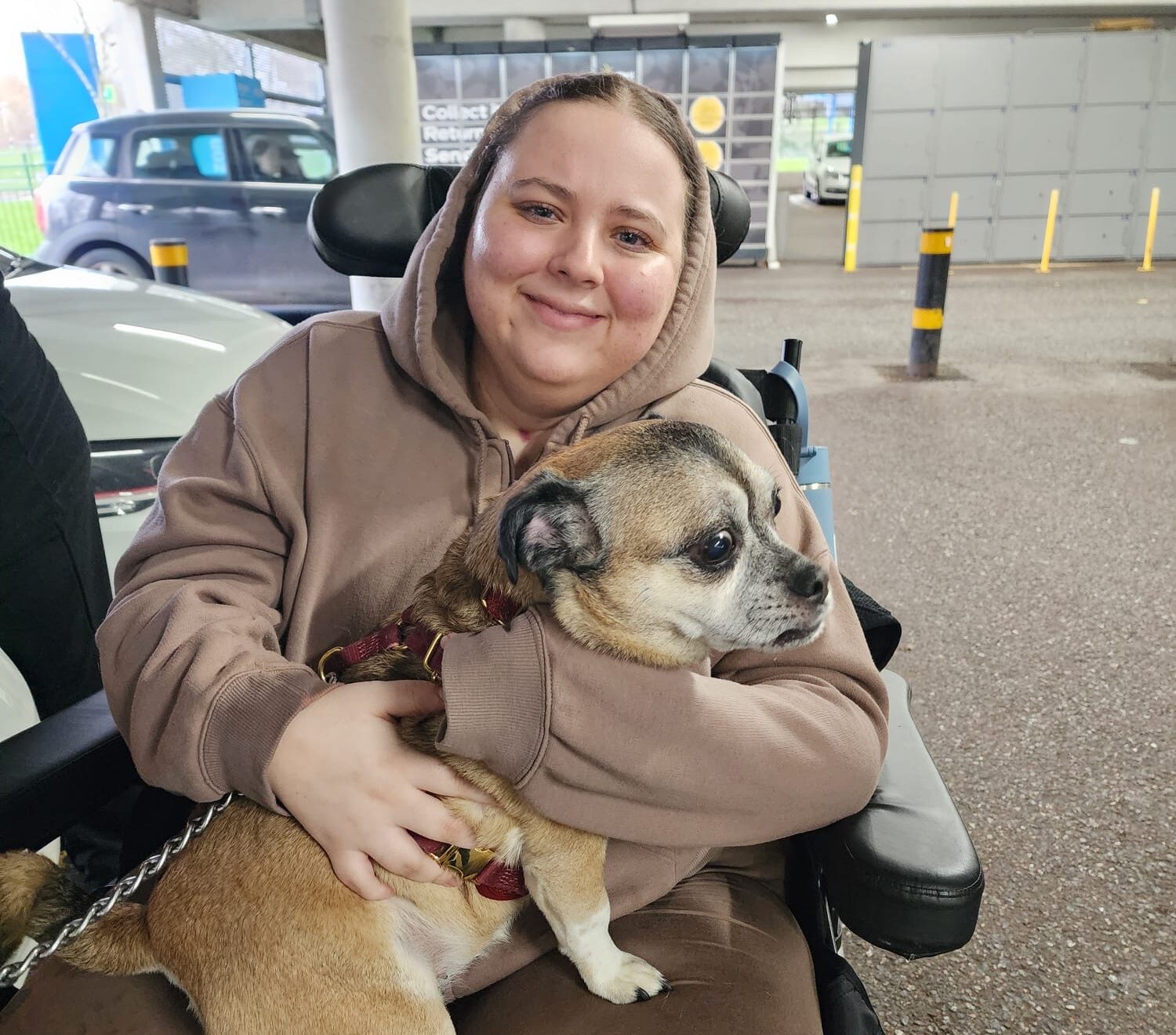
In October 2025, after experiencing symptoms similar to COVID-19, I was taken to hospital by emergency services.
I had been suffering from persistent headaches, a loss of taste and smell, and a gradual loss of mobility. My condition continued to deteriorate in the emergency room in hospital, where I experienced what I now understand to have been seizures.
Later that same day, I was placed into a coma for approximately ten days. My recollection of events is limited, as I have no memory of the days leading up to the coma or the three weeks following my awakening. This absence of memory has been difficult to process at times, not knowing what I may have said or done during that period.
When I became more aware, my neurologist explained that I had a condition called acute disseminated encephalomyelitis (ADEM), a form of encephalitis and something I had never previously heard of. It was unsettling to learn that such a serious condition could be so unfamiliar.
Upon regaining consciousness, I was completely paralysed and dependent on a ventilator, able to communicate only through blinking. I had to relearn fundamental skills, including how to speak, eat, hold my head up, and write. During this time, I underwent intensive treatment, including plasmapheresis, steroid therapy, and a form of chemotherapy. These treatments involved extremely difficult decisions for my mum and partner.
I was discharged from rehabilitation after nearly five months in hospital. While this marks significant progress, my recovery is far from complete, as I have not yet regained full movement from the waist down. One of the most challenging aspects of this experience has been the loss of independence and the need to rely on others – something I have always found difficult.
Although life looks very different now, I am learning to adapt, and I am determined not to let ADEM define me.
For anyone currently suffering or in recovery, it does get better. As my mum often reminded me, “slow and steady wins the race.” Documenting your progress can be incredibly valuable; when improvements feel small, it helps to look back and recognise how far you have come.
If you would like to share your experience of encephalitis please submit your story to us via our story page.
Story published August 2026
Get help
Our support team are available from 9am to 5pm (GMT), Monday to Thursday, and 9am to 4.30pm (GMT) on Fridays.
To get in touch, simply call +44(0)1653 699599.
Contact our helpline