



The DexEnceph Study: A 20-Year Odyssey
The DexEnceph Study: A 20-Year Odyssey
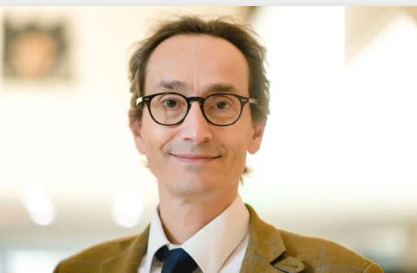
By Professor Tom Solomon CBE FRCP FMedSci, DexEnceph Chief Investigator; Director, The Pandemic Institute, Liverpool; President, Encephalitis International.
In 2006, Twitter had just launched, Pluto was downgraded from a planet to a dwarf planet, and Top of the Pops came to an end.
At a small meeting in London of the Encephalitis Support Group (as the charity was then known), a handful of us were discussing a long-standing and difficult question: do corticosteroids help people with herpes simplex virus (HSV) encephalitis?
Back in the 1970s, before aciclovir was available, dexamethasone had been used to treat HSV encephalitis to reduce brain swelling. But there was always a concern: while steroids might reduce inflammation, could they also suppress the immune system and allow the virus to replicate unchecked?
When aciclovir proved effective in the 1980s, it transformed outcomes for patients. Yet uncertainty remained about whether corticosteroids should be given alongside antiviral treatment.
Early attempts — and a difficult decision
Those early discussions led to plans for a study. When we discovered in 2007 that German colleagues had just started a European trial to address the same issue, we secured funding from the UK National Institute of Health and Care Research (NIHR) Health Technology Assessment programme to establish a UK arm for their study, rather than duplicate efforts.
By 2009, we had secured funding and were about to start, but recruitment across Europe was proving extremely difficult, the trial was not enrolling enough patients and it became apparent that, even with our help, it would not succeed. Faced with the prospect of joining a study unlikely to produce meaningful results, we took the painful, and almost unheard-of, decision to return the funding. It was the responsible thing to do, and appreciated by the funder. But the core question remained unresolved; like a nagging toothache, it would not go away one. It was a question that mattered every time we cared for a patient with HSV encephalitis and significant brain swelling.
Starting again
Our honesty with the NIHR had gained us great credibility, and in 2012, we submitted a new application to run a UK-wide study on corticosteroids in HSV encephalitis, using hospitals connected through the Brain Infections UK network. This network had grown out of earlier NIHR-funded research that had improved understanding of encephalitis epidemiology and clinical presentation, helping doctors recognise and treat the condition earlier.
Funding was finally approved in 2014. The first patient was recruited in 2016, eight years after our initial grant application, and a full decade after we first conceived the study.
We were fortunate to learn from the experiences of the earlier German trial, led by Professor Uta Meyding-Lamadé. Our study was designed to overcome some of its limitations: broader recruitment criteria, a more practical time window for enrolment, and a more meaningful primary outcome.

Choosing what matters to patients
After careful discussion with patients and carers through the charity, we selected verbal memory as the primary outcome. Difficulty remembering names and words is one of the most striking and distressing problems faced by people recovering from HSV encephalitis. Patients who were too unwell to complete the assessment, or who had sadly died, were given the lowest possible score, ensuring the outcome truly reflected the full impact of the illness.
The “man in a Mini”
A key part of the study’s success was ensuring patients could complete follow-up assessments wherever they were. Our “secret weapon” was Cory Hooper, affectionately known as our “man in a Mini”, who travelled the length and breadth of the country assessing patients in their homes when needed. When COVID-19 disrupted research activity, recruitment had to pause. But Cory ensured that every participant already in the study was followed up, tracking one patient to Ireland and another to France.
The results
By 2022, the final patient had been recruited. The database was closed and the analysis began. At first glance, the findings were clear: dexamethasone did not improve the primary outcome of verbal memory, nor did it significantly affect key secondary outcomes, such as imaging. Importantly, however, it did not cause harm. Patients who received dexamethasone were no more likely to have HSV detected in their spinal fluid two weeks later than those who did not. In other words, the drug did not lead to uncontrolled viral replication, one of the major longstanding concerns.
When we presented these results at meetings in London and at international conferences, colleagues encouraged us to look into the data more closely. Some patients had received dexamethasone quite late, up to 21 days after illness onset. What about focusing on those treated earlier? A post-hoc analysis showed that earlier treatment with dexamethasone was strongly associated with better outcome.
A changing landscape
Even the finding that dexamethasone was safe proved valuable. Since we first conceived the study in 2006, there has been much greater recognition of autoimmune encephalitis, which requires prompt treatment with steroids. Historically, clinicians often delayed corticosteroids until HSV encephalitis had been ruled out, fearing they may cause harm. Our results suggest this caution may not be necessary: steroids can likely be used safely from the outset in suspected encephalitis, without waiting for HSV PCR results. This insight alone could influence treatment recommendations and improve care. The analysis and write-up took several years, and the study was finally published in The Lancet Neurology in January 2026.
Looking ahead
Despite the progress, important questions remain. If corticosteroids alone do not significantly improve outcomes, could more targeted immunomodulatory therapies make a difference? Benedict Michael, who was a medical student back in 2006, is now a professor leading the Liverpool Interdisciplinary Neuroscience Centre, working to answer these critical questions.
The role of the encephalitis community
Over the past two decades, the charity itself has grown enormously under the leadership of Dr Ava Easton MBE, rebranding in 2024 as Encephalitis International to reflect its expanding global reach. Doctors, nurses, and healthcare teams across the UK contributed to this study. But the real heroes were the patients and families who agreed to take part, often at an incredibly difficult time in their lives. Their willingness made it possible to answer address this question that had lingered for decades.
DexEnceph was an odyssey; a long, winding journey that stretched across years, involved dozens of hospitals, hundreds of people, and more than a few moments where it would have been easy to stop. But we didn’t.
It is a reminder that progress in medicine can be slow and demanding, sometimes taking 20 years to reach an answer. However, persistence, collaboration, and partnership with patients and families can ultimately change clinical practice and improve care for future generations.