


Pinpointing NMDAR-antibody encephalitis
Pinpointing NMDAR-antibody encephalitis
A study has mapped, at near-atomic resolution, the antibody interaction in NMDAR-antibody encephalitis, opening the door for the first rationally designed treatments.
Introduction
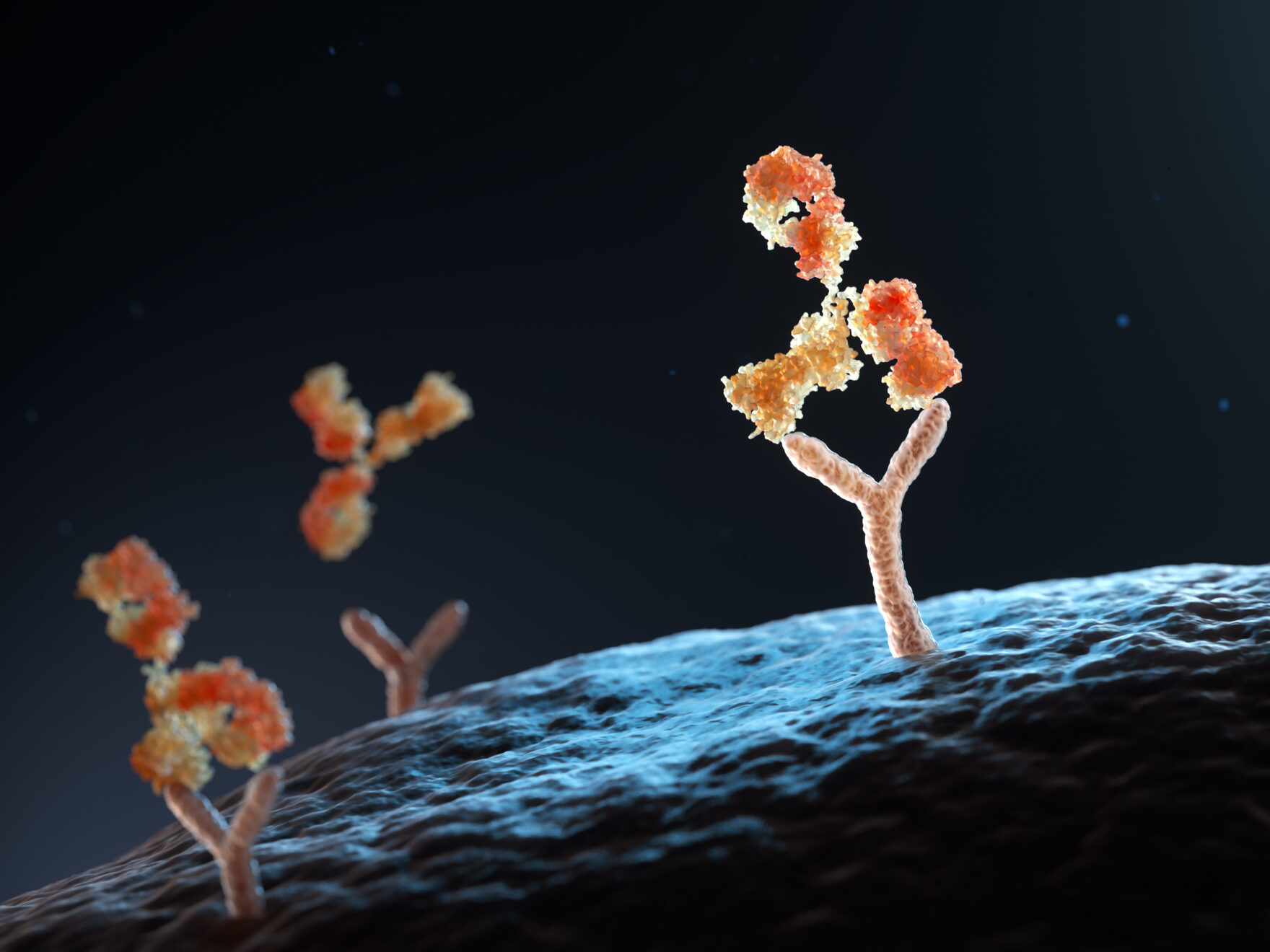
NMDAR-antibody encephalitis is a form of autoimmune encephalitis where antibodies bind the NMDA (N-methyl-D-aspartate) receptors in the brain, which control thoughts, mood, and movements.
The condition was first identified in 2007. Before that, patients were frequently misdiagnosed with psychiatric illness or died without a cause ever being established. In the nearly two decades since, it has been recognised as one of the most common forms of autoimmune encephalitis. Unfortunately, however, therapeutic development has not kept pace.
A study published in Science Advances in January this year has provided a detailed description of the antibody interaction that underpins the condition. ‘Hotspots’ have been found on the receptor to which antibodies bind. This provides a blueprint for developing effective therapeutic interventions.
Holding a microscope to encephalitis
The researchers, from Oregon Health & Science University (OHSU), used cryogenic electron microscopy (cryo-EM) to locate how antibodies bind to NMDA receptors. This microscopic technique, for which the Nobel Prize was awarded in 2017, enables biomolecular structures to be imaged at near-atomic resolution in their near-native state. The team applied this technique to a mouse model induced with encephalitis-like symptoms.
They found that the vast majority of antibodies converged on a single domain of the receptor: the GluN1 amino-terminal domain. Prior work showed that selected antibody examples could bind the domain, but it was unclear whether this was typical or exceptional. The new data shows it is the rule, not the exception: most of the antibody repertoire homes in on that same target.
The researchers went one step further. Lead author Junhoe Kim compared their results with high-resolution images of antibodies isolated from NMDAR-antibody encephalitis patients. They found that the antibody binding sites matched those in the mouse models, corroborating the validity of the mouse model and increasing the likelihood that the identified sites are potential targets for future therapies.
Why this matters: the treatment gap
Current interventions for NMDAR-antibody encephalitis include broad immunosuppression, such as with steroids, intravenous immunoglobulin (IVIG) or plasma exchange. Yet this generalist approach can carry significant side-effect burdens from the non-specific immunosuppressive action.
By locating where the antibodies bind, the OHSU team have provided the first rigorous map of where the bulk of the antibody repertoire converges.
Two therapeutic directions are thus opened. First, small molecules can be introduced to occupy the hotspots, competing with and blocking harmful antibodies. Next, hotspot mimics could be introduced which can steer antibodies away from NMDA receptors. Both are pharmacological intervention opportunities.
What’s next?
This is a moment where a condition that didn’t exist as a diagnosis two decades ago can begin to have its first rationally designed therapeutic candidates.
Beyond treatments, however, the authors note that this structure determination work could even enable development of a blood test to detect the condition earlier: by testing a patient’s serum against the hotspots.
A hopeful next chapter for this devastating yet too-often misdiagnosed condition.
–
To read the original paper, click here.
For our factsheet on NMDAR-antibody encephalitis, click here.