



Varicella zoster (Chickenpox) vaccines for children start across UK
Introduction
The UK government has announced that children across England will now, for the first time, be offered a free vaccine against varicella zoster (chickenpox) virus (VZV) on the NHS. Encephalitis International is highlighting the importance of protecting against not only chickenpox itself, but also the potentially devastating complication – encephalitis or swelling of the brain.
A “hugely positive step forward”
By reducing chickenpox infections, the rollout of the vaccine will reduce the risk of chickenpox encephalitis. Experts say this is a milestone in protecting children’s health, with benefits that go far beyond preventing rashes and missed school days.
“Introducing the chickenpox vaccine on the NHS is a hugely positive step forward,” said Professor Benedict Michael, Institute of Infection, University of Liverpool and Chair of Encephalitis International’s Scientific Advisory Panel. “Varicella-zoster (chickenpox) virus is the second leading cause of brain infection (or ‘encephalitis’) in the UK, which can be life-threatening. Early diagnosis and treatment are essential, but prevention through vaccination is the most effective way to protect children and families from this serious complication.”
The vaccine will be combined with the existing MMR jab, given at 12 and 18 months of age, which already helps protect against measles, mumps and rubella. Children up to the age of six can catch up on doses when invited.
The MMRV vaccine will now be introduced into the standard list of children’s vaccinations in England, Wales and Northern Ireland, with Scotland announcing a rollout start date in early January.
What is chickenpox?
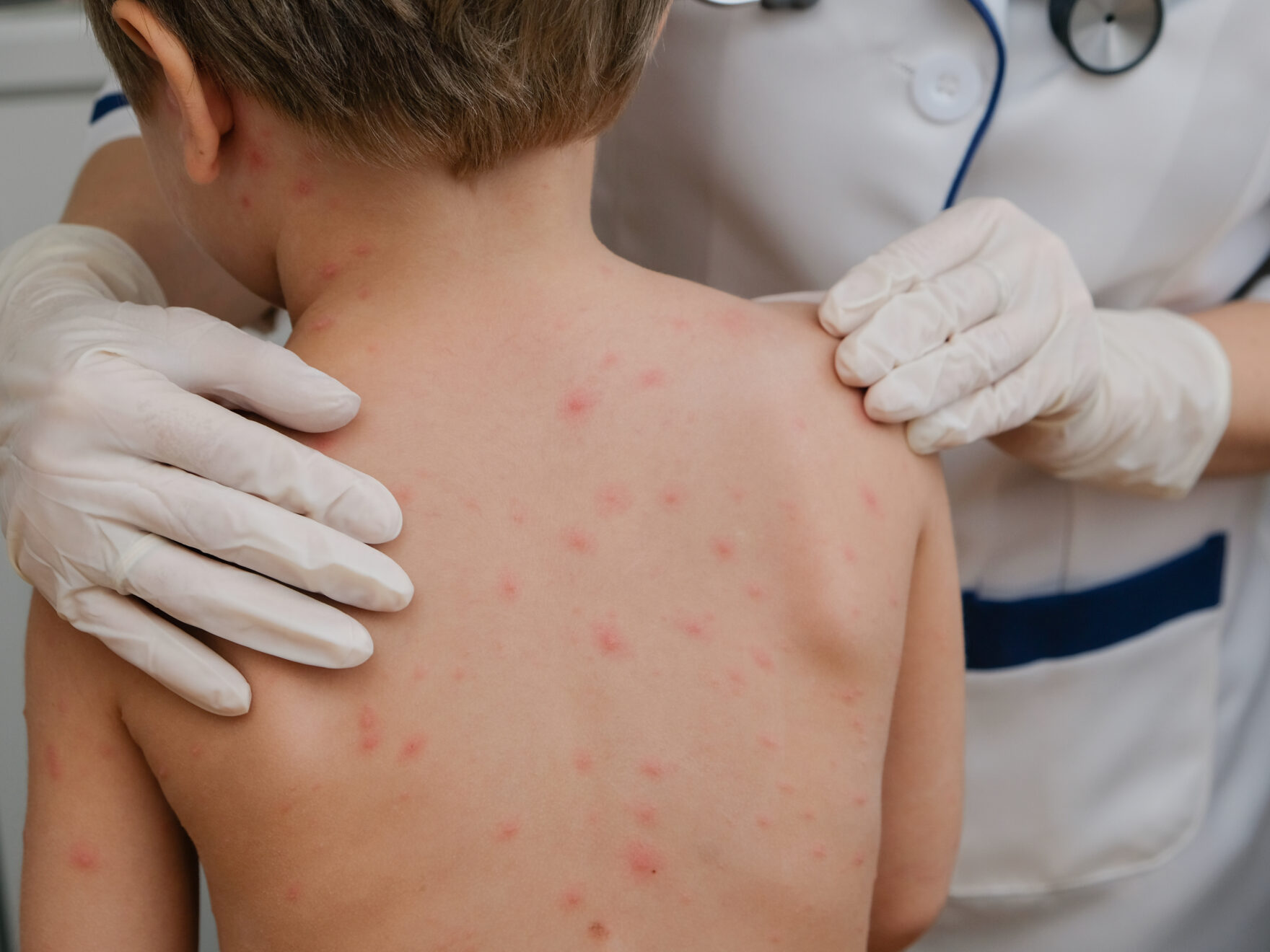
Chickenpox is very common in young children. The main feature is an itchy, spotty rash which blisters then scabs over. It can be painful and cover the body from head to toe. Children often feel unwell for several days, with a fever and muscle aches.
It also spreads easily. Some 90% of children under the age of 10 catch chickenpox at some point, and a week off school or nursery is fairly common.
Complications can include bacterial infection of scabs, encephalitis (inflammation of the brain), lung inflammation known as pneumonitis, and stroke.
Young babies and adults are more likely to be seriously ill with the infection. Pregnant women are particularly at risk because of potential complications in both the mother and unborn baby.
The MMRV vaccine has been safely used for decades in other countries such as the United States, Canada, Australia and Germany, which have all seen decreases in the number of people getting chickenpox and fewer serious cases. The part of the vaccine which protects against chickenpox has been shown to be very effective – around 97% after two doses – and long-lasting.
Key facts on Varicella Zoster (Chickenpox) Virus (VZV) and encephalitis:
- VZV is the virus responsible for varicella zoster (chickenpox) and shingles
- VZV is the second leading cause of brain infection in the UK
- VZV encephalitis occurs in an estimated 1–2 cases per 10,000 chickenpox infections
- Mortality rates range from 5–15%
- Survivors may face long-term neurological consequences such as cognitive impairment, seizures, and motor difficulties
- Vaccination against chickenpox significantly reduces the risk of chickenpox encephalitis
How to spot chickenpox encephalitis
While rare, recognising the early warning signs of chickenpox encephalitis is vital so that children can get urgent medical care. Parents should seek help immediately if, following chickenpox, their child develops:
- Severe headache or vomiting
- Drowsiness or difficulty waking
- Confusion or unusual behaviour
- Seizures (fits)
- Sensitivity to light
- Weakness on one side of the body
Click here to read our factsheet.
Click here to read stories by people affected by encephalitis.
Click here to read the story of 4-year-old Roman who got encephalitis as a complication of chickenpox.
By Prav Prathapan, Encephalitis International