



St Louis Encephalitis – Jennifer’s Story
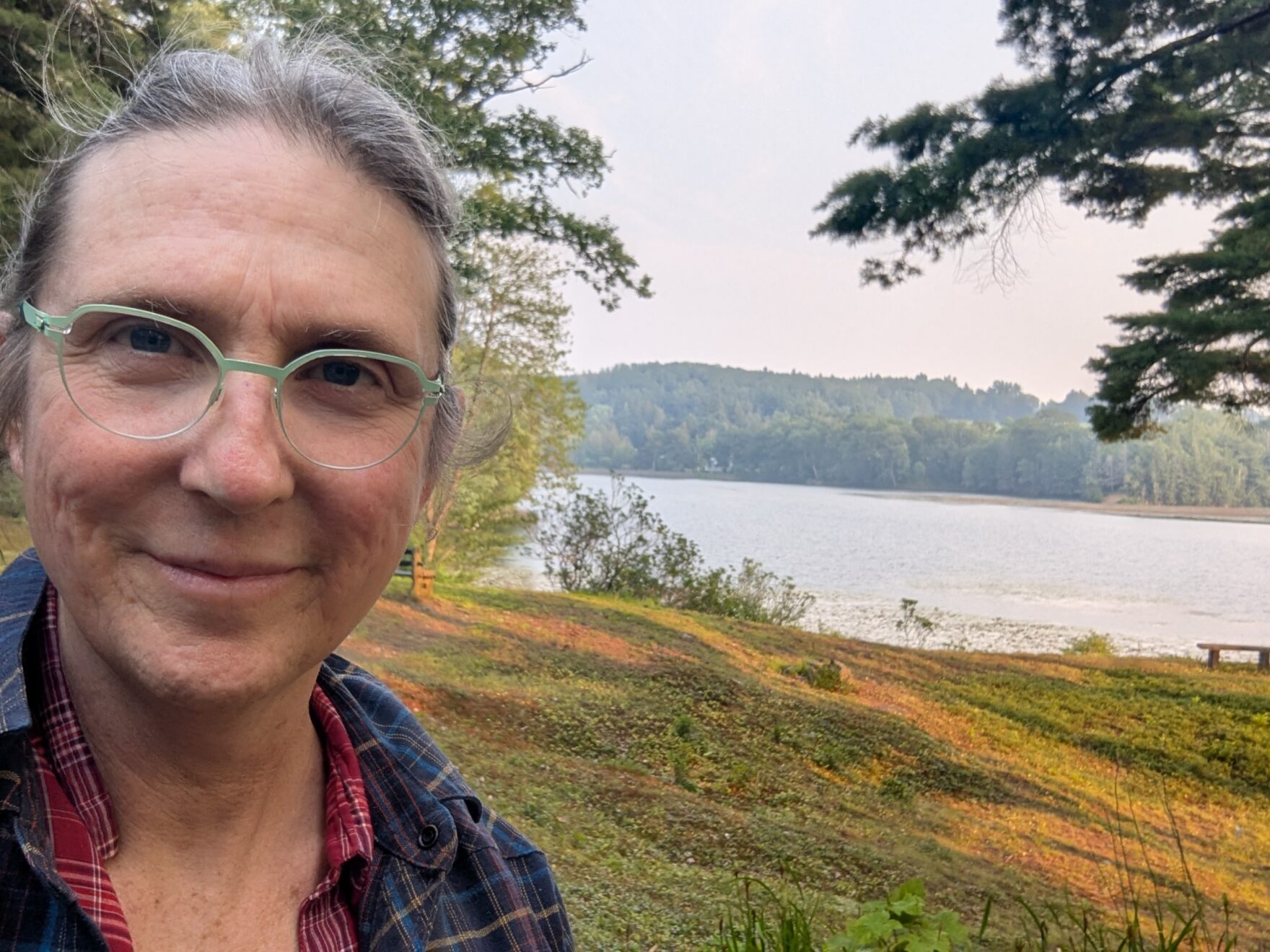
My encephalitis story begins in July of 2023, at the “end” of my cancer story.
By the middle of August I was in complete remission from stage-four lymphoma, done with chemotherapy, and was informed that my immune system was functionally recovered from the chemo drugs. I doggedly focused on my recovery, gradually increasing my stamina, hiking, sailing, celebrating. I felt well enough to return to work, and even booked a show or two as a traveling folk singer and songwriter. Life was getting back to normal.
Three months later, in the last week of October I came down with a sudden severe headache. My wife drove me to the hospital where I was examined and sent home with instructions to rest, and come back if things got worse.
Within a day things indeed got worse. My head felt like it was going to split in two, I was disoriented and seeing double, movement made me ill. We returned to the hospital, where one of the last things I remember was my embarrassment at vomiting from the car door only a few feet from the entrance, in full view of a nurse returning from her break.
My last memory for the next ten days was that nurse escorting us through the locked door and helping me into a wheelchair.
I only remember flashes of my time in the hospital. Blood draws, lumbar puncture, MRI… The doctors gave me a working diagnosis of simply, “unspecified meningitis.” I didn’t get an official diagnosis until more than a month later: St Louis encephalitis, one of only six cases in the USA that year.
When my delirium finally broke I was unable to either communicate or stand unaided. I was able to understand most of what was said around me, but was unable to translate any thoughts of response into speech. I wasn’t really forming new memories, either, unless accompanied by strong emotion.
When I was eventually able to stand and walk with a mobility aid, I was sent home to complete a month of physical therapy and occupational therapy at-home visits.
My short-term memory eventually improved, more-or-less, as did my ability to walk and to speak. I’d picked up maybe two dozen words in American Sign Language during the era of Zoom meetings and, interestingly, it was much easier to respond in sign than it was with my voice.
I’m a software engineer and technology architect by trade; I love my work solving puzzles, writing guidance, leading teams of brilliant people. So of course I returned to work after only six weeks of medical leave. Only to find that I could not understand the complex ideas that were my daily assignments, let alone communicate them in simpler terms to others.
Maybe the hardest thing to write about is the loss of emotional control that came from trying to push through the fatigue and brain fog. Almost every day I spent at work ended with me face down on the bed, crying and thrashing like a child.
After struggling this way for six months I was finally ordered home from work by my neurologist. Since then, I’ve been managing my energy closely. I still have bad days, and I can’t walk more than half a mile most days. My memory and language fades with fatigue, and I still have moments of emotional or sensory overload, though I’ve learned to mostly anticipate them and isolate so I can break down without observation. I’ve found I can work at technology for an hour or so without depleting my reserves.
Music and art have been a huge part of my recovery. In addition to being a technologist, I’m also a multi-instrumental musician and songwriter. In my first weeks home, I picked up a new instrument (the tenor guitar) in the hopes that it would encourage a more robust recovery. I can’t say how effective that was, but I do appreciate having a new skill.
About a year ago I began weekly sessions of yoga nidra and art-therapy. Combined, this has been a tremendous help in regulating my energy and processing my experiences. I mediate regularly and practice gentle yoga twice each day, which helps in similar ways.
I was recently referred for a new treatment, the Perrin Technique, specifically designed for ME/CFS patients. I’m optimistic. The recovery from each treatment is arduous but it seems to be helping, the brain fog is lighter during the rebounds between post-treatment crashes.
I am tremendously grateful for the support I’ve received from my wife who has never pressured me to do more than I’m capable. She cheers my victories (a mile today!) and softens the setbacks. She’s driven me to countless appointments, most of which would be useless without her note-taking and attention.
Caring for a cognitively and energy impaired person seems so very isolating, from the patient perspective. If there’s one thing I would offer to any other caregiver in her situation, it would be, make it a priority to tend to your own social, spiritual, and emotional support. Both your well-beings depend on it.
Story published February 2026
If you would like support with your encephalitis experience please contact our helpline.
Get help
Our support team are available from 9am to 5pm (GMT), Monday to Thursday, and 9am to 4.30pm (GMT) on Fridays.
To get in touch, simply call +44(0)1653 699599.
Contact our helpline