



Pathogenesis of Dengue Encephalitis: Defining the Role of Mitochondrial Impairment and Evaluating Dimethyl Fumarate as a Neuroprotector.
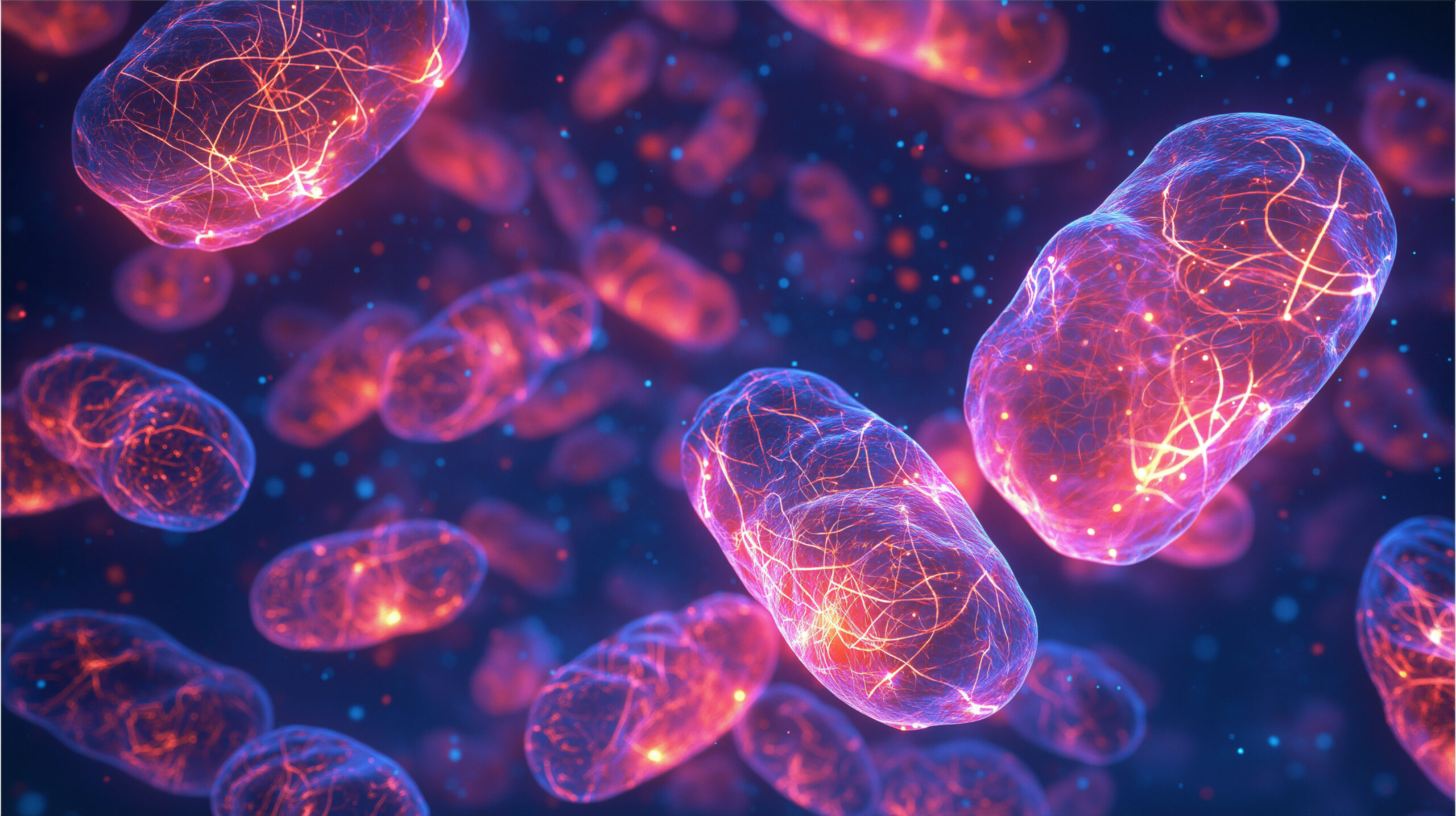
In Brazil, arboviral diseases like Dengue, Zika, and Chikungunya are a serious and growing threat. These infections often lead to the devastating condition of severe brain inflammation known as encephalitis. The biggest challenge is not the initial infection, but the subsequent severe and chronic neurological damage that leaves patients with lasting disability. We urgently need to understand how viruses like dengue (DENV), zika (ZIKV) and chikungunya (CHIKV) cause this injury so we can successfully prevent and treat it. Our research focuses on the tiny powerhouses inside our brain cells: the mitochondria. We are investigating exactly how the mitochondria behave when the virus attacks, as we believe this failure in the cell’s power supply is the central reason for the persistent neurological injury.
To find a solution, we are using the most advanced techniques available, growing human brain cells in the lab to see precisely how the virus causes harm. Crucially, we are testing a potential protective drug: Dimethyl Fumarate (DMF). This medication is already safely used for other neurological conditions and is known to help keep mitochondria healthy (Saha et al., 2024). If DMF can successfully protect the brain cells’ power supply during a viral attack, it offers a rapid avenue to accelerate clinical trials for a new
neuroprotective treatment. Our study will not only uncover the precise mechanism of damage by DENV and other arboviruses but will also provide the strong evidence needed to give doctors a new tool to prevent severe, lasting neurological complications.
Anne Caroline Marcos, Oswaldo Cruz Institute (IOC/Fiocruz), Brazil
Anne Caroline Marcos, MSc, PhD candidate in Tropical Medicine at the Oswaldo Cruz Institute (IOC/Fiocruz), Brazil. Her research focuses on viral encephalitis and the mechanisms underlying brain injury caused by neurotropic viral infections, with
particular emphasis on mitochondrial dysfunction, neuroinflammation, and blood– brain barrier disruption.
Her doctoral project investigates how viral infections of the central nervous system impair cellular energy metabolism and contribute to acute and long-term neurological sequelae following encephalitis. Anne has experience in cellular and molecular approaches, biomarker analysis, and translational research in viral neuroinfections.
She has international research experience, including a Research Associate position at the University of Miami, and is currently undertaking a PhD sandwich placement at the University of Liverpool within the Brain Infection & Inflammation Group (BIIG). This grant-supported project is conducted in collaboration with clinical and research teams at Fiocruz, the D’Or Institute for Research and Education (IDOR), and the Fernandes Figueira Institute (IFF-Fiocruz), integrating laboratory-based investigation with clinical insight and patient and family perspectives to advance translational research in encephalitis.