


New research on distinguishing NMDAR-antibody encephalitis
Researchers including members of Encephalitis International’s Scientific Advisory Panel have shed new light in diagnosing NMDAR-antibody encephalitis.
Their findings, published in The Lancet Psychiatry, reveal that NMDAR-antibody encephalitis has a distinctive, rapidly evolving psychiatric signature.
What is NMDAR-antibody encephalitis?
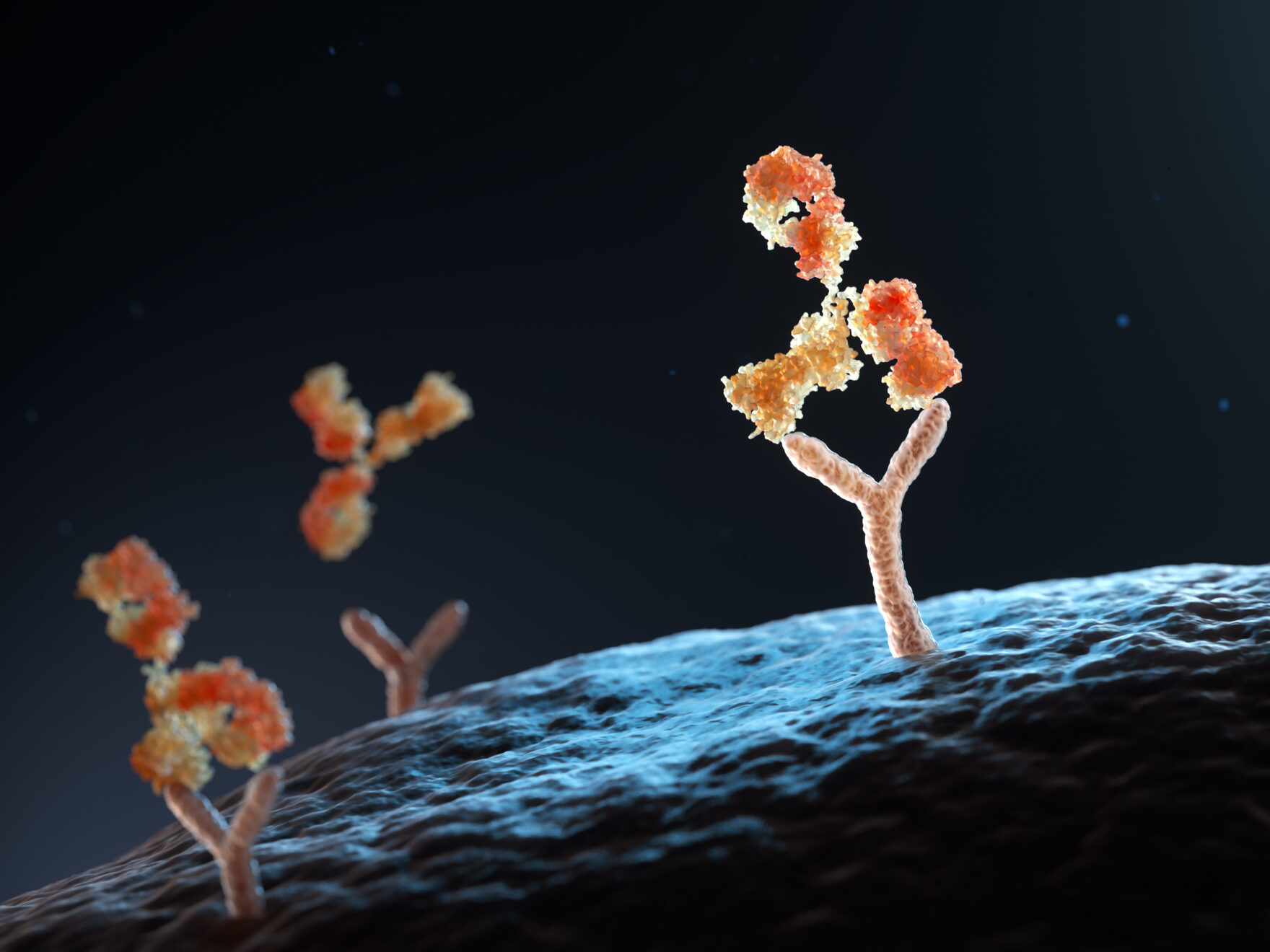
NMDAR-antibody encephalitis is an autoimmune condition in which antibodies attack NMDA (N-methyl-D-aspartate) receptors in the brain. These help control thoughts, mood, and movements, and therefore antibodies against them are likely to alter these functions.
It most often affects young people, particularly women, and is highly treatable with immunotherapy when recognised early.
However, the difficulty is that the initial symptoms are usually psychiatric and include anxiety, mood changes, hallucinations, and behavioural disturbance. This unfortunately means that patients are frequently misdiagnosed with schizophrenia, bipolar disorder, or other psychoses.
Such delays in diagnosis can lead to seizures, reduced consciousness, intensive care admission, and long-term disability.
A global comparison of psychiatric presentations
To tackle this problem, an international team, which included first author Dr Adam Al-Diwani MRCP and members of Encephalitis International’s Scientific Advisory Panel, analysed data from specialist centres across the UK, Germany, Sweden, the Netherlands, and the USA, making this one of the most comprehensive psychiatric phenotyping studies of the condition to date.
The study found that NMDAR-antibody encephalitis has a psychiatric profile that is distinctive and dynamic. Some key findings include:
- Ultra-rapid onset. Symptoms developed within days to weeks, rather than the months and years in most serious mental illnesses.
- Shifting symptoms. Instead of a stable psychotic picture, the symptoms dynamically shift from early anxiety and low mood to catatonia-like features within weeks.
- Unusual psychiatric features. A cluster of seven features were consistent across diverse subgroups: agitation, aggression, hallucinations, delusions, mutism, irritability or mood instability, and depressed mood.
Encephalitis International’s Scientific Advisory Panel Involvement
Several authors of the work are members of Encephalitis International’s Scientific Advisory Panel, which provides expert professional guidance to inform Encephalitis International’s research strategy, information resources, and support services. The members of the scientific panel who were involved in this work are:
- Associate Professor Kiran Thakur, Vicechair of the Scientific Advisory Panel; Herbert Irving Associate Professor of Neurology at Columbia University Irving Medical Center – New York Presbyterian Hospital.
- Professor Carsten Finke, Heisenberg Professor for Cognitive Neurology and Consultant Neurologist at the Department of Neurology at Charité Berlin.
- Professor Sarosh R Irani BMBCh MA (Oxon) DPhil FRCP FEAN, Neurologist and Scientist at the Mayo Clinic Florida, Professor of Autoimmune Neurology at the University of Oxford and Adjunct Professor of Neurology at the University of Southern Denmark.
A promising step forward
The complex combinations of symptoms distinguish NMDAR-antibody encephalitis from primary psychiatric illnesses. Detailed psychopathological assessment may reduce misdiagnosis and inappropriate treatment.
The researchers also suggest these findings highlight a rare opportunity to link defined molecular mechanisms to clinical psychopathology.
While there were limitations to this study, such as the sole inclusion of adults and thus not being able to generalise to the paediatric population, this study offers real hope that patients with this devastating but treatable condition will receive earlier diagnosis, faster immunotherapy, and better outcomes.
To view the original paper, click here.
For more information on NMDAR-antibody encephalitis, click here.
By Prav Prathapan, Encephalitis International