


Meet the newest member of our Scientific Advisory Panel
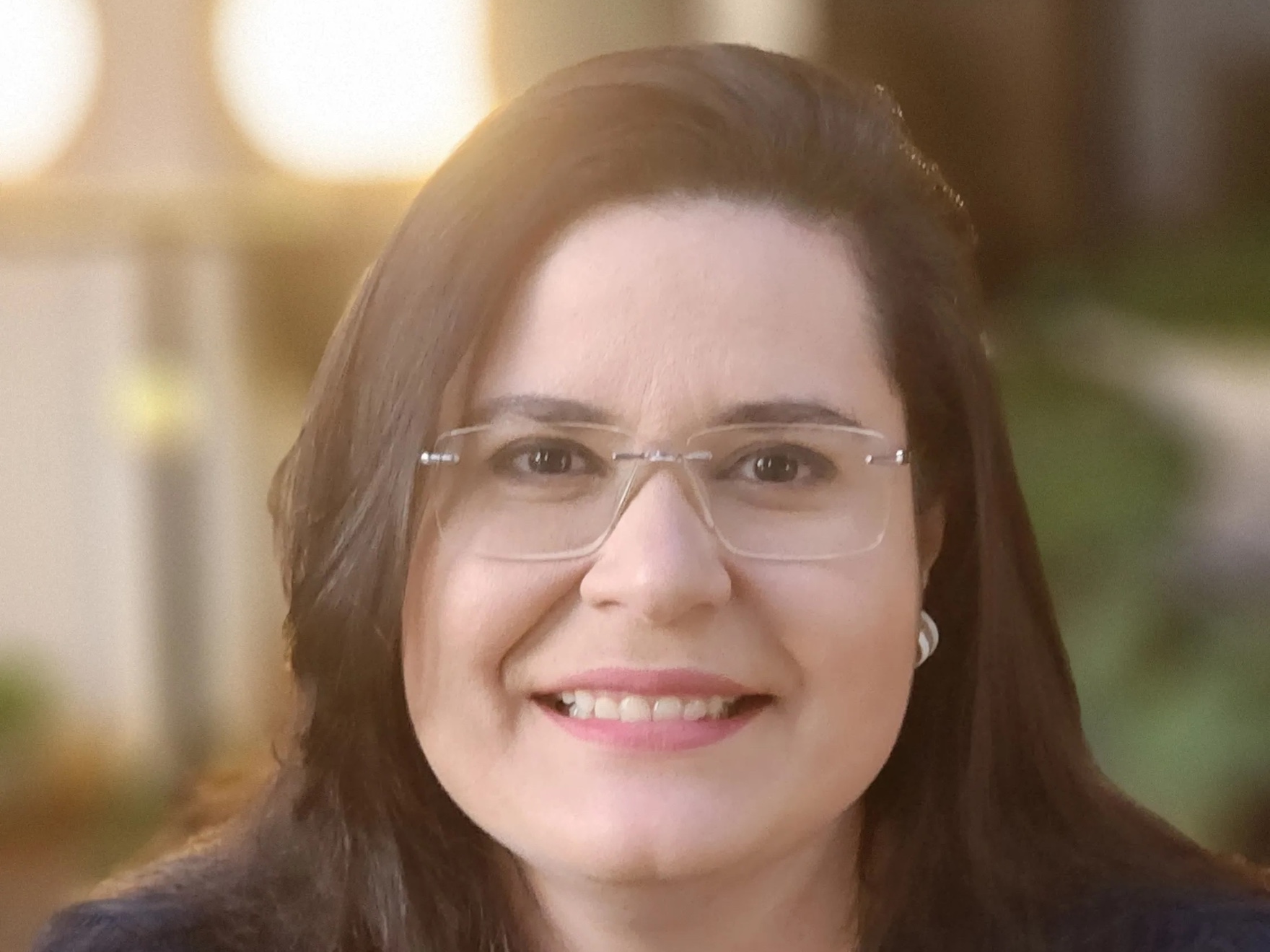
Dr Aline MB Matos is a neurologist and neuroimmunologist based in São Paulo, Brazil. She completed her fellowship in Neuroimmunology at the University of São Paulo (USP) and is currently a PhD candidate at the Institute of Tropical Medicine, University of São Paulo (IMT-USP). She also conducts clinical research at the Centro de Pesquisas Clínicas DASA (CPCLIN), a centre involved in international phase 2 and phase 3 trials, focusing on investigational treatments for autoimmune neurological diseases, including autoimmune encephalitis. Dr. Matos is a faculty member at Centro Universitário São Camilo and has been following patients with encephalitis and neuroinflammatory syndromes since 2015, with a focus on emerging viruses such as Chikungunya virus and SARS-CoV-2.
In 2019, she was awarded the International Seed Funding grant by Encephalitis International to investigate clinical and laboratory features of encephalitis during arboviral epidemics in Brazil.
She currently serves in an elected role as Secretary of the Neuroepidemiology Scientific Department of the Brazilian Academy of Neurology, supporting the department’s academic and scientific initiatives, such as REDONE (the Brazilian Registry of Neurological Diseases).
Q. When did you know you wanted to pursue a career in science?
I’ve been curious for as long as I can remember — as a child, my favourite toys were science kits and lab sets. I was always eager to understand how things worked. During my training in neurology, that same curiosity turned into a deep need to answer every question my patients had. When I couldn’t fully explain what was happening — especially in cases involving post-viral or immune-mediated syndromes — I felt genuinely frustrated.
What particularly drew me to neurovirology was the fact that, in many instances, the available literature was limited to case series or small reports. When a new virus emerged, neurological consequences often seemed forgotten or underexplored. That motivated me to look deeper — to study not only immune and viral mechanisms but also their cognitive and laboratory correlates. Science became the natural path to seek those answers.
Q. What is your area of expertise and how did you choose your field of study?
My area of expertise is neuroimmunology, with a particular focus on neurovirology — especially how viral infections can trigger immune-mediated mechanisms leading to both acute and chronic neurological syndromes. Among these, encephalitis stood out to me as a complex and underexplored condition. Many patients with encephalitis are left with long term sequelae — cognitive, behavioural, or functional — and yet we still face major gaps in both diagnosis and treatment. In many settings, especially in low- and middle-income countries, diagnostic tools are limited, and treatment approaches are often delayed or incomplete. That’s why I became interested not only in understanding the immune and viral interactions, but also in exploring biomarkers and cognitive outcomes that could help us improve clinical care.
Q. What inspires you in the workplace?
First and foremost, my patients. The desire to understand their symptoms and provide meaningful answers drives both my clinical practice and my research every day. I’m also deeply inspired by people who dedicate their work to improving care in challenging settings. Three individuals who have profoundly influenced me are Dr. Augusto Penalva, Dr. Fernanda Maia, and Dr. Camila Romano. Each of them is brilliant in their field, and what truly stands out is their commitment to advancing diagnosis and treatment even when faced with limited resources and technology. Their resilience, creativity, and scientific rigor are a constant reminder of why I chose this path.
Q. What kind of prejudices, if any, did you have to face during your career?
There were several, especially for being a woman, for being perceived as “too young” in certain academic spaces, and for being an internal migrant within Brazil. These experiences were challenging, but I’ve always believed that building a solid and meaningful career — with integrity and purpose — eventually overcomes bias. As long as I can help my patients and stay true to my values, I’m at peace.
Q. In your opinion, which changes, if any, are needed in the scientific system to be more attractive to women in science and possible future scientists?
We need a more inclusive scientific system — one that recognises the broader life trajectories of women, including motherhood, not as a limitation but as a natural phase of life. It’s also essential to address persistent issues like unconscious bias in leadership selection, which reinforce outdated models of visibility and authority. That said, I do believe we are already seeing important changes. In Brazil, for example, many medical schools now have graduating classes where women are the majority. These shifts show that the new generation is already more diverse — what we need now is to ensure that this diversity is sustained and supported through every stage of a scientific career.
Q. What advice would you give to women considering a career in science?
Go forward — this is your life, not anyone else’s. Your path in science is valid, and your questions matter. Don’t let anyone make you feel otherwise. There will be challenges, but they exist to be overcome. Surround yourself with people who share strong values and integrity — those who truly care about doing good science and helping others. The journey becomes lighter and more meaningful when you walk alongside people who believe in fairness, respect, and collective growth.
Q. How do you see the future of encephalitis research?
We’re living through a very exciting moment for encephalitis research. Advances in neuroimmunology, neuroimaging, and molecular diagnostics are allowing us to better understand how the brain regulates immunity — and we’re increasingly able to study these mechanisms in vivo rather than solely in vitro. Importantly, we’re beginning to see the first clinical trials designed specifically for autoimmune encephalitis, which represents a major shift in how we approach these diseases. At the same time, the development of vaccines that were long overdue — such as those for dengue and chikungunya — is another critical step, especially in endemic regions.
Vaccination has already shown enormous impact in reducing encephalitis incidence, with the Japanese encephalitis vaccine being a powerful example of how immunisation strategies can transform public health. All of this signals that the field is gaining momentum, and with it comes vast potential for impactful discoveries, innovation, and career development.
By Alina Ellerington, Encephalitis International