



Encephalitis Conference 2025 Bursary Report
Encephalitis 2025 Conference
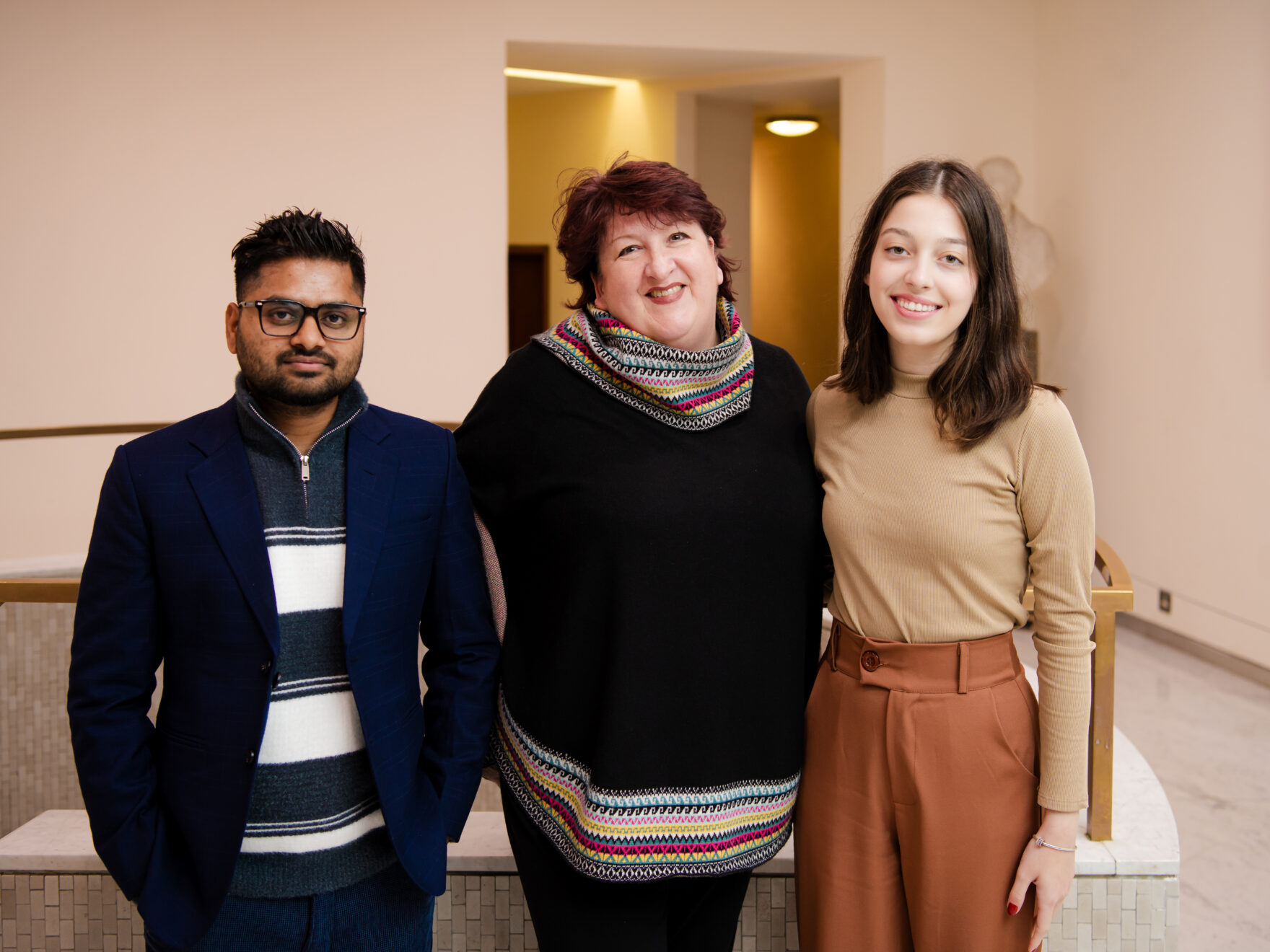
Last year we were delighted to welcome to Encephalitis Conference three bursary recipients. Read below their feedback and future plans.
Isabela Bettu Bini, Brazil
“Attending the Conference was an extremely valuable experience, both academically and professionally. As a Brazilian medical student with a strong interest in neurology and infectious diseases, the event reinforced my motivation to pursue a career that combines clinical practice with research, particularly in the field of encephalitis and its long-term outcomes.
One of the most meaningful aspects of the Conference was the opportunity to engage with cutting-edge research and to hear directly from leading experts working in different healthcare systems and research environments. This broadened my perspective on how encephalitis is approached globally, from diagnosis and acute management to rehabilitation and long-term follow-up.
The Conference also made me reflect on disparities between healthcare systems. In Brazil, access to specialized diagnostics, long-term follow-up, and structured rehabilitation for patients with encephalitis can be limited, especially within the public healthcare system. This comparison strengthened my interest in contributing to research and international collaborations that aim to improve long-term outcomes and inform public health strategies in low- and middle-income settings.
What I enjoyed most was the collaborative and open environment, which encouraged dialogue between clinicians, researchers, and students. I found this atmosphere inspiring and motivating. If there was one challenge, it was the limited time to interact more deeply with all participants, as there were many relevant sessions and discussions occurring simultaneously.
Overall, attending the Conference was a decisive and enriching experience that confirmed my desire to remain involved in encephalitis-related research and to contribute to bridging gaps between clinical care and research, particularly in the Brazilian context.”
The journey from the hills of Nepal to the Royal College of Physicians, United Kingdom
Dr Rukesh Yadav, Nepal
Attending Encephalitis 2025 was the best part of my career development in 2025. I came to know about Encephalitis 2025 in an attempt to explore the conference related to neuro-infectious disease.
It was enjoyable journey from Kathmandu, Nepal to the very vibrant city, London, UK. From the very beginning, the whole conference attendee and organisers felt like a family to me. The venue, the Royal College of Physicians, itself have great historic story and collections and is way too inspiring. Further, the Christmas Night Walk London Tour added charm to the blissful conference days.
The conference brought together leading clinicians, researchers, public health experts, and patient advocates from across the world, offering a truly multidisciplinary perspective on encephalitis.. Particularly impactful were sessions addressing the challenges of early recognition and timely treatment, which remain major barriers to improving outcomes in resource limited settings.
Equally important was the strong emphasis on patient centered care and global advocacy. Sessions led by Encephalitis International highlighted the lived experiences of patients and caregivers, underscoring the long-term cognitive, psychological, and social consequences of encephalitis. This perspective was particularly meaningful and reinforced the importance of holistic care models, long-term follow-up, and community-based support areas that are often underdeveloped in LMIC healthcare systems such as Nepal.
The conference also provided excellent networking opportunities. I was able to interact with international experts in neuroinfectious diseases and neuroimmunology, exchange ideas with fellow early-career researchers, and explore opportunities for future collaborations. These interactions have broadened my academic network and opened possibilities for collaborative research and capacity-building initiatives relevant to LMIC contexts.
Attending Encephalitis International 2025 has significantly strengthened my motivation to pursue a career at the intersection of infectious diseases and neurological disorders. The knowledge gained will directly influence my clinical practice by improving my diagnostic approach to suspected encephalitis cases and encouraging earlier consideration of autoimmune etiologies.
In conclusion, the conference bursary made it possible for me to participate in an exceptional scientific and educational event that would otherwise have been financially challenging. This experience has had a lasting impact on my professional development and will shape my future contributions to encephalitis research, education, and patient care.
Encephalitis Beyond the Textbook
Dr. Lindt Camille O. Alba, Philippines
I attended the Encephalitis Conference last December 3-4 with two goals in mind. First, I wanted a clearer, step-by-step way to think through encephalitis cases, especially when the history starts with fever or a “viral” picture but the course looks autoimmune. Second, I wanted practical advice on testing, since access to antibody panels and turnaround times can shape real decisions at the bedside.
The first morning helped set the frame. There were basic clinical introductions to infectious encephalitis and autoimmune encephalitis, followed by clinical case presentations. I liked that the speakers kept returning to the same core questions: What must I not miss today? What can wait? And when do I treat while I am still waiting for results? Those sound simple, but they are the questions that come up at 2 a.m. when a patient is deteriorating.
What mattered most to me, though, happened between sessions and during poster viewing and the networking reception. I had the chance to discuss cases I have seen back home with several clinicians and researchers who work in this field. These were not long formal meetings. They were short, focused conversations: “Here is what we saw. Here is what we had access to. What would you do next?” I asked about patterns that should make us think of autoimmune encephalitis early, how to interpret borderline results, and how to balance infection coverage with early immunotherapy when the patient is worsening.
On day two, the programme widened out. I left with a simple takeaway: good encephalitis care is not only about making a diagnosis. It is also about follow-up, function, and support.
I went to the conference hoping for clarity. I came home with a calmer, more structured way to approach these cases. In many ways, the conference was a reminder of why we do this work: because behind every antibody, MRI finding, or EEG pattern is a patient and a family searching for answers. I’m grateful for the chance to learn from the community advancing this field, and I look forward to translating these lessons into better care at home.
Save the date for Encephalitis Conference 2026– 7th and 8th December, London and virtual.
Call for abstracts and bursary applications to open in the Spring.